

Description
Product details
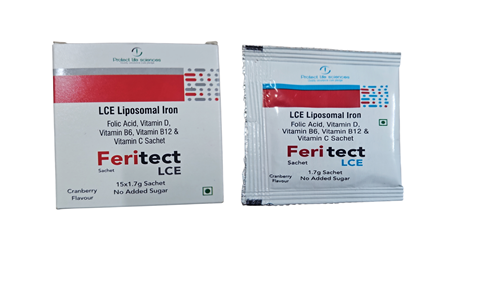
What are liposomes? Liposomes are phospholipid bilayers containing aqueous cores. Over 50 years ago, researchers discovered that these spheres could be filled with therapeutic agents and used to protect and deliver these agents into the body and even into specific cells of the body. Liposomes have been demonstrated to improve delivery of encapsulated cargo. Liposomal Formulations Since the first liposomal pharmaceutical product, Doxil, was approved in 1995 there are now several liposomal-drug formulations on the market. Most of them have to be administrated intravenously due to the degradation of lipids in the gastrointestinal tract. However, some recent formulations such as Arikace can be subcutaneously injected or inhaled as aerosols. Apart from a broadened range of drugs being investigated for liposomal formulations, new strategies such as environmental sensitivity and combination therapy have been applied to the development process to achieve better efficacy. Lipids, Phospholipids and Liposomes Lipids are a group of naturally occurring molecules that include fats, waxes, sterols, and fat-soluble vitamins. The main biological functions of lipids include: storing energy, signaling, and acting as structural components of cell membranes. Phospholipids are a class of lipids that are a major component of all cell membranes as they can form lipid bilayers. The structure of the phospholipid molecule generally consists of hydrophobic tails and a hydrophilic head. A liposome is a spherical vesicle that has at least one lipid bilayer and an aqueous core. The liposome can be used as a vehicle for administration of nutrients and pharmaceutical drugs Benefits and Applications ➢Due to their unique properties, including low cytotoxicity, good biocompatibility and biodegradability, liposomes have wide-ranging applications in different fields including gene and drug delivery, food and nutrition industries and cosmetic industries. ➢A number of new liposome modification methods have emerged to improve stability and attain higher concentrations of bioactives in the target cells and cellular compartments for maximum therapeutic efficiency. ➢Active targeting can be achieved via appropriately engineered modifications to the liposomal structure. For active targeting, thermo-labile, pH-sensitive, photo-sensitive and antibody coated vesicles, have been designed. Passive targeting is the mechanism by which the bioactive-carrier complex reaches its destination based on the physicochemical properties of bioactive carrier complexes and does not utilize any targeting strategy Mechanism ➢A liposome has an aqueous core enveloped by a phospholipid bilayer. ➢Hydrophilic solutes dissolved in the core cannot readily pass through the bilayer. Hydrophobic chemicals associate with the bilayer via Van der Waals forces. ➢This makes liposomes versatile and advantageous delivery vehicles as they can be formulated with hydrophobic and/or and hydrophilic cargo. To deliver the molecules to a site of action, the lipid bilayer can fuse with other bilayers such as the cell membrane, thus delivering the liposome contents. ➢Useful liposomes rarely form spontaneously. They typically develop after supplying enough energy, in the form of sonication, to a dispersion of phospholipids in a polar solvent, such as water, to break down multilamellar aggregates into oligo- or unilamellar bilayer vesicles. ➢Mechanism of Delivery ➢By preparing liposomes in a solution of DNA or drugs (which would normally be unable to diffuse through the membrane) they can be (indiscriminately) delivered past the lipid bilayer, but are then typically distributed non-homogeneously. ➢For drug delivery, liposomes that contain low (or high) pH can be constructed such that dissolved aqueous drugs will be charged in solution (i.e., the pH is outside the drug's pH range). ➢As the pH naturally neutralizes within the liposome (protons can pass through some membranes), the drug will also be neutralized, allowing it to freely pass through a membrane. These liposome's work to deliver drug by diffusion rather than by direct cell fusion.